Circular Economy & AI Tools in Solid Waste Management
Jointly Organized By

About the Workshop
This workshop aims to build capacity in circular economy-driven solid waste management by integrating Artificial Intelligence (AI), data analytics, and digital tools to optimize real-world waste systems. The program focuses on sustainable waste management practices using AI tools, fostering regional and global collaboration.
Jointly Organized By
- Samarkand University, Uzbekistan (Host Institute)
- WasteSafe Environmental Limited, Bangladesh (Lead Organizer & Program Management)
- International Research Association for Circular Economy (IRACE), Europe
- Bauhaus University Weimar, Germany
In Partnership With
To be added soon
Learning Themes
🌍 Circular economy frameworks & resource recovery
Circular economy frameworks & resource recovery strategies for sustainable waste management systems.
🏙️ Urban solid waste management systems
Urban solid waste management systems and best practices for efficient waste collection and processing.
📊 Waste characterization & data analytics
Waste characterization & data analytics techniques for informed decision-making and system optimization.
🤖 AI & machine learning for engineers
AI & machine learning concepts for engineers to develop intelligent waste management solutions.
📱 Smart bins, route optimization & forecasting
Smart bins, route optimization & forecasting using IoT and advanced algorithms.
👁️ Computer vision for waste segregation
Computer vision for waste segregation and automated sorting applications.
💡 Decision-support systems & predictive analytics
Decision-support systems & predictive analytics for waste management planning.
💼 Circular economy business models
Circular economy business models that create value and ensure economic sustainability.
Tentative Outline of the Workshop
📅 Day 1 – 23 June 2026 | Foundations of Circular Economy & Waste Systems
| Time (BD) | Session | Topics / Activities |
|---|---|---|
| 10:30–11:00 | Inauguration & Introduction | Welcome, objectives, participant introductions |
| 11:00–12:15 | Session 1: Foundations of Circular Economy in Waste Systems |
Objectives:
|
| 12:15–13:30 | Session 2: Waste Flow Mapping, Resource Recovery & SWM Systems |
Objectives:
|
📅 Day 2 – 24 June 2026 | Waste Technologies, AI & Machine Learning
| Time (BD) | Session | Topics / Activities |
|---|---|---|
| 10:30–11:45 | Session 3: Waste Characterization, Recycling Technologies & Policy Frameworks |
Objectives:
|
| 11:45–13:00 | Session 4: AI and Machine Learning Concepts for Professional Engineers |
Objectives:
|
📅 Day 3 – 25 June 2026 | Data Science, AI Applications & Decision Support
| Time (BD) | Session | Topics / Activities |
|---|---|---|
| 10:30–11:45 | Session 5: Data Sources, Data Processing & AI Applications in SWM |
Objectives:
|
| 11:45–13:00 | Session 6: Decision Support Systems and Predictive Analytics |
Objectives:
|
📅 Day 4 – 26 June 2026 | Circular Economy Business Models & Closing
| Time (BD) | Session | Topics / Activities |
|---|---|---|
| 10:30–11:45 | Session 7: Circular Economy Implementation & Business Models in Waste Sector |
Objectives:
|
| 12:00–12:30 | Online Examination | Assessment of workshop learning outcomes |
| 12:30–13:00 | Feedback of the Workshop & Closing Ceremony | Summary, Participant feedback, closing remarks |
Target Audience
Speakers
Prof. Muhammed Alamgir
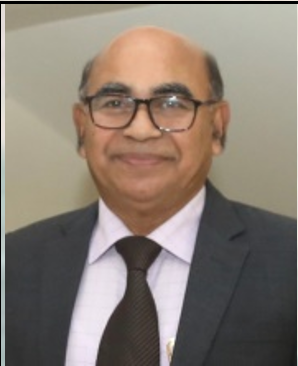
Muhammed Alamgir is an environmental and civil engineering expert with extensive experience in solid waste management, faecal sludge management and circular economy–based waste systems. He has been involved in applied research, international collaboration and technical studies related to sustainable waste and resource recovery. He has contributed to numerous large-scale projects addressing urban waste, sanitation and environmental challenges. He has published widely in peer-reviewed journals and international conference proceedings. His work focuses on practical and research-driven solutions for sustainable waste management.
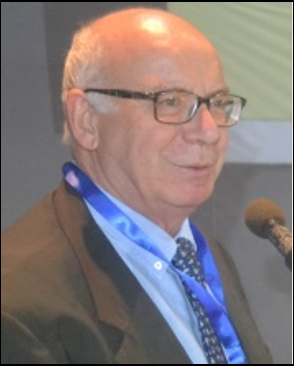
Prof. Raffello Cossu
Raffaello Cossu is an internationally recognized expert in circular economy and waste management with decades of academic and research experience. He has made major contributions to the development of modern waste treatment technologies, landfill engineering and resource recovery systems. He has been actively involved in international research networks, academic publishing and policy advisory initiatives. His work has influenced circular economy practices and waste management strategies across Europe and globally. He has served as an author, editor and scientific advisor for numerous international research programs and conferences.
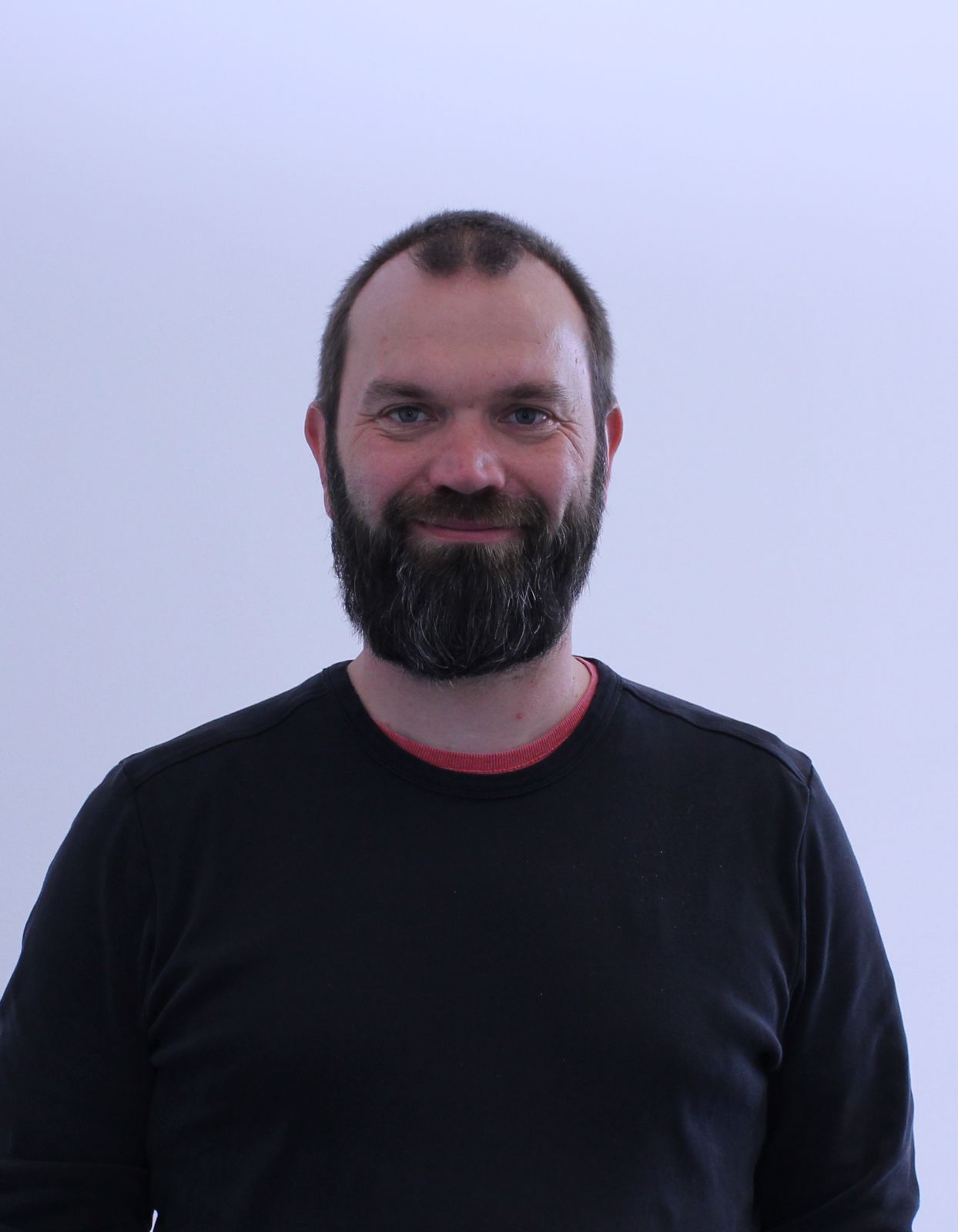
Dr. Thomas Haupt
Thomas Haupt is a researcher specializing in digital systems, data analytics and AI-supported approaches for sustainability and urban systems. His academic work focuses on applying digital technologies to environmental challenges, including waste management and resource efficiency. He has participated in interdisciplinary research projects combining environmental engineering, data science and smart systems. His research interests include data-driven planning, decision-support systems and digital innovation for sustainable development.
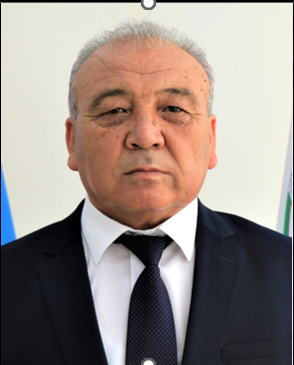
Prof. Ravshanov Alikul
Professor Ravshanov Alikul Xudayeberdiyevich is the Dean of the Faculty of Geography and Ecology at Samarkand State University. He leads one of the university's long-established faculties, founded in 1966, with strong traditions in geographic and environmental research. Under his academic leadership, the faculty offers programs in geography, ecology, hydrometeorology, soil science and hydrology. He oversees research activities in environmental protection, water resource management, renewable energy mapping and regional ecological assessment. The faculty actively engages in applied and innovative research projects related to environmental sustainability and resource management. He has supported international academic collaboration, including participation in European programs such as TACIS/TEMPUS and ongoing cooperation under international initiatives like ECAP. His work emphasizes strengthening scientific research, international partnerships and capacity building in environmental and geographic sciences.
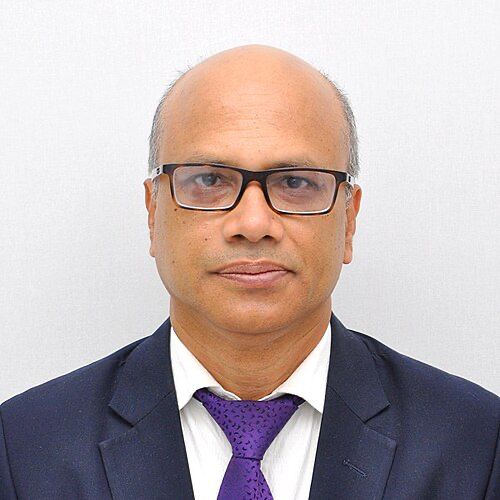
Prof. Sazzad Hossain
Professor Md. Sazzad Hossain is a computer science and engineering academic with expertise in quantum algorithms, information security and advanced computational systems. He completed his PhD at Portland State University, USA, in 2009. He has been serving at the Department of Control Theory and Information Security at Samarkand State University since 2025. His academic work focuses on algorithm design, secure information systems and emerging computing technologies. He has authored three textbooks and more than one hundred research articles and theses, with over fifty publications indexed in Scopus. He has supervised more than fifty graduate theses and one doctoral dissertation.
Prof. Mohammad Suhail
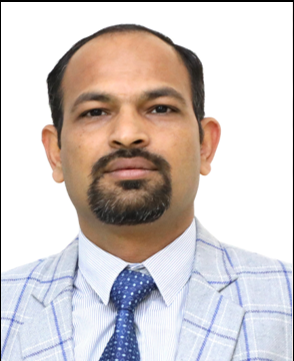
Professor Mohammad Suhail holds a PhD in Geography and has been serving at Samarkand State University since 2023. He completed his doctoral research in 2016 with a dissertation titled "Water Resource Management in Saudi Arabia." Prior to his current position, he worked at Aligarh Muslim University in India. Dr. Suhail specializes in Geographic Information Systems (GIS), remote sensing and water resource management. His academic work focuses on spatial analysis, environmental planning and sustainable resource management.
Gregor Biastoch
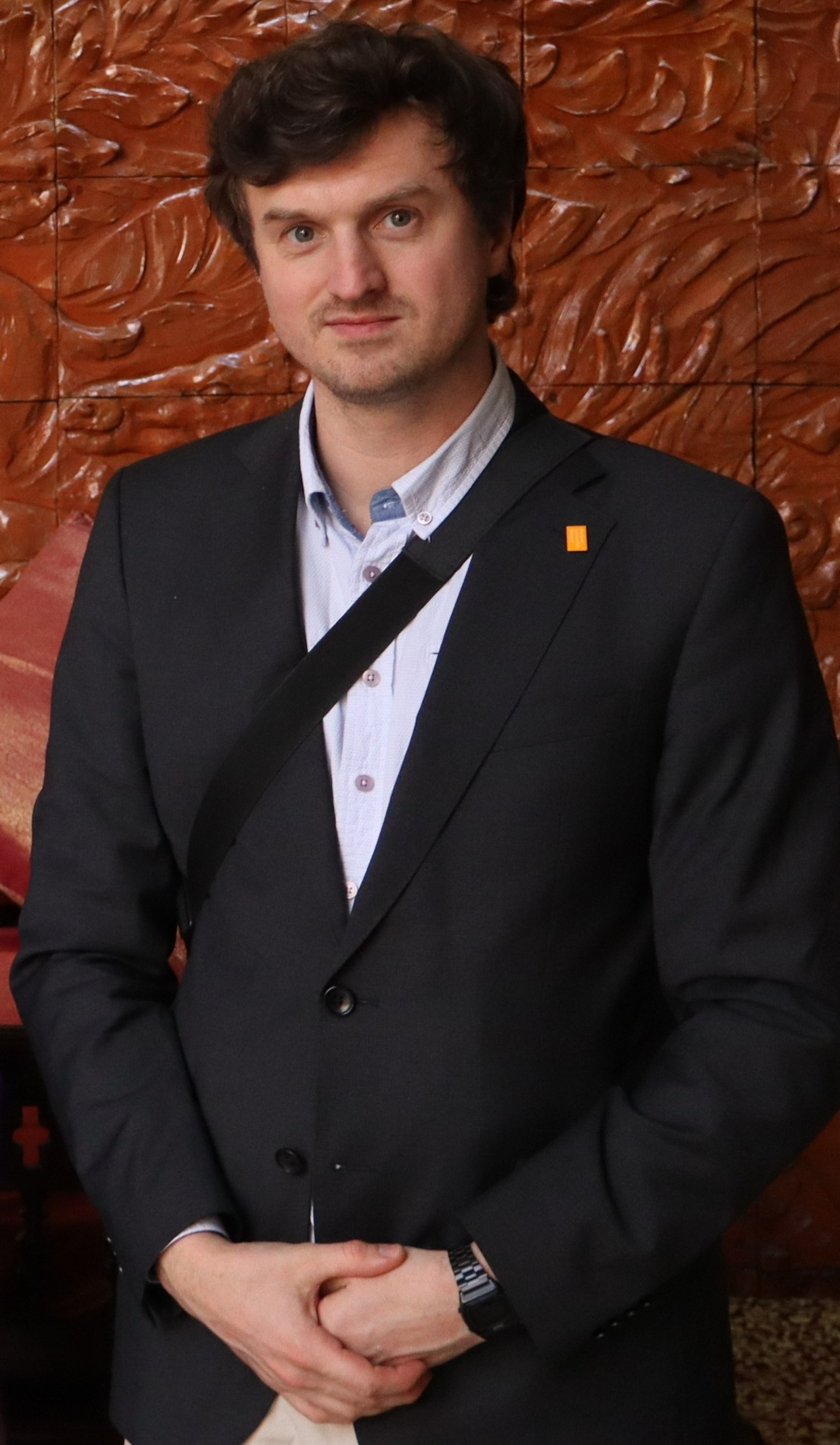
Gregor Biastoch is an environmental data scientist with expertise in data analytics, modeling and digital tools for environmental applications. His research focuses on integrating data-driven approaches into environmental monitoring, pollution control and sustainability assessment. He has contributed to international research projects addressing plastic pollution, waste systems and environmental data analysis. His work supports evidence-based decision-making in environmental and circular economy initiatives.
Workshop Registration
Secure your place at this exclusive international workshop
Participant Registration Fee
🏦 Bank Transfer Details
| Bank | Janata Bank PLC |
| Account Title | WASTESAFE ENVIRONMENTAL LIMITED |
| Branch | Jamuna Future Park Br Branch (0973) |
| Account ID | 0100277016162 |
| Routing No. | 135260331 |
| Swift Code | JANBBDDH |
Limited Seats: Only 40 participants
